
Mindfulness Practices

Mindfulness Practices

Mindfulness Practices for Everyday Living: Cultivating Presence and Peace

In the hustle of modern life, it is easy to be swept away by the constant demands of work, family and technology. We move quickly from one task to another, often on autopilot, rarely pausing to engage with the present moment. But what if we could slow down, become more aware of our thoughts and surroundings and truly connect with the now? That is where mindfulness comes in – a simple yet powerful practice that can transform daily life. Mindfulness is the act of paying full attention to the present moment, without judgment. It helps you become more aware of your thoughts, emotions and physical sensations. Practising mindfulness regularly can reduce stress, increase clarity and help you feel more grounded. The beauty of mindfulness is that it doesn’t require long hours or a specific setting. You can weave simple practices into your routine that gently bring your focus back to the present.

How you start your morning can shape the rest of your day. Before reaching for your phone or jumping into work, try checking in with yourself. Notice how your body feels, take a few deep breaths and acknowledge your thoughts without trying to change them. Consider three things you are grateful for. Gratitude naturally shifts your mindset toward positivity. Spend a couple of minutes breathing deeply or stretching. Focus on your body and how it moves. This early-morning awareness helps set a calm tone and keeps you centred through the day.

Mindfulness can also be brought into how you eat. Rather than rushing through meals or snacking while distracted, pay attention to the textures, smells and flavours of your food. Chew slowly, and notice when your body feels full. Being present during meals not only enhances your enjoyment but also supports digestion and your body’s natural cues. Another easy way to practice mindfulness is through walking. Most of us walk without thinking, but mindful walking brings your attention to each step. Notice how your feet touch the ground and the rhythm of your movement. Be aware of the air on your skin, the sounds around you and what you see. Even a short walk can become a grounding and calming experience when you are truly present.

When the day gets overwhelming, mindful breathing can bring you back to a calm state. Sit comfortably, close your eyes and focus on your breath as it moves in and out of your body. Let each inhale and exhale anchor you to the present. This technique is always available, whether you are at your desk, in a meeting or handling a difficult moment. Mindfulness can also be woven into ordinary tasks. Washing dishes, folding laundry or answering emails can become opportunities to pause and focus. Tune into the sensations, sights or sounds involved in what you are doing. With awareness, even simple chores can bring a sense of peace.

End your day with a few minutes of reflection. Take a few breaths, recall moments when you felt present or grateful and think of three things that went well. This gentle evening check-in can help you unwind and promote restful sleep. Mindfulness isn’t about getting it perfect. It is about showing up with awareness and choosing presence, moment by moment. Practised regularly, it brings more peace, clarity and joy to everyday life.


Work-Life Balance

Work-Life Balance

The Importance of Work-Life Balance for Personal Wellbeing

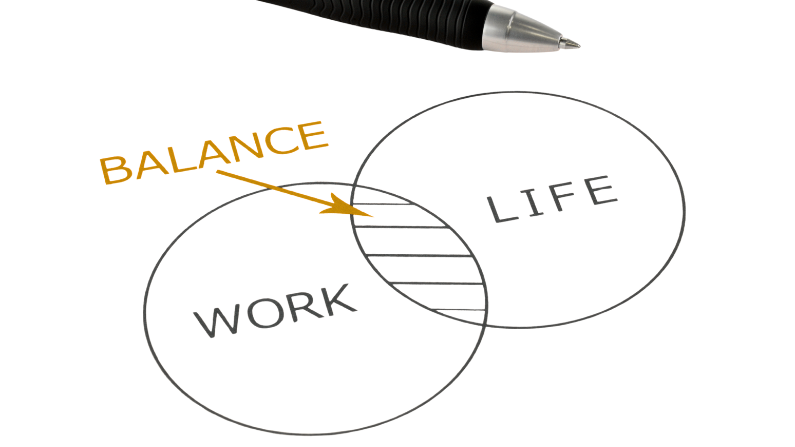
In today’s fast-paced world, achieving a healthy work-life balance can feel out of reach. Many of us juggle work responsibilities, personal commitments and the desire for self-care, often sacrificing one area for the other. But balance isn’t a luxury – it is essential for your wellbeing. It is not about splitting time equally between work and personal life. It is about creating harmony so that you have the energy and space for work, rest, relationships and personal growth. Prioritising work-life balance benefits both your mental and physical health. Chronic stress from overworking can lead to burnout, anxiety and physical illness. Taking time to rest allows your mind and body to recharge. Breaks improve focus and productivity, not hinder them. You also show up more present in your relationships, giving time and energy to the people who matter most. Time for hobbies and personal interests supports self-reflection and growth, contributing to a well-rounded life. Many people don’t realise they are out of balance until they experience the signs – constant stress, working late into the night, skipping social events, struggling to disconnect from work or feeling physically unwell. These are signals that something needs to change. Small, intentional adjustments can help restore balance and protect your overall wellbeing.

One of the most effective ways to improve work-life balance is to set boundaries. Designate clear work hours, turn off notifications during personal time and communicate your availability. Boundaries create space for rest and reduce the pressure to always be “on.” Prioritising tasks also plays a big role. Not every task needs urgent attention. Focus on what is most meaningful at work and in your personal life. Use simple tools like time-blocking or the Eisenhower Matrix to stay focused and productive. Self-care is non-negotiable. When you take care of yourself, everything else runs more smoothly. Make time daily – even 15 minutes – for something that brings you joy or helps you recharge. Whether it is reading, moving your body or sitting in stillness, regular self-care helps prevent burnout and keeps you connected to yourself.

Delegating and asking for support can ease the pressure. You don’t have to do everything alone. At work or at home, letting go of tasks that don’t require your full attention can free up valuable time and energy. Learning to say no is another important skill. If you say yes to everything, you risk stretching yourself too thin. Honour your limits and protect your time for the things that truly matter. Technology is helpful, but it can easily blur the lines between work and personal life. Use it with intention. Turn off notifications after hours, set screen time boundaries and carve out device-free moments. Simple steps like these help you stay present in your personal life.

A balanced life supports your health, productivity and relationships. It allows you to show up fully for your work and your personal life without burning out. With intention and regular reflection, you can build a life that supports your long-term wellbeing. Work-life balance is not about perfection – it is about prioritising your wellbeing so that you can live and work with clarity and purpose. When you care for yourself first, everything else becomes more manageable.