Delegation Skills

Delegation Skills

How to Effectively Delegate and Build a Strong Team

As an entrepreneur, one of the biggest challenges you will face is learning how to delegate effectively. The early stages of running a business often require you to wear many hats, but as your business grows, the ability to delegate tasks becomes essential to scaling and ensuring long-term success. Learning how to delegate doesn’t just lighten your workload – it also helps you build a strong, collaborative team that is equipped to contribute to your company’s goals. Delegation is crucial for entrepreneurial success, how to delegate effectively is a skill that can build a strong team which can thrive through collaboration and trust.

Why Delegation Is Crucial for Entrepreneurs

In the early days of your business, you may feel the need to do everything yourself. After all, you are passionate about your work and want everything to be perfect. However, as your business grows, you will quickly realise that trying to manage every task and responsibility will lead to burnout, inefficiency and missed opportunities for innovation.

Delegating tasks allows you to focus on the most important aspects of running your business, such as strategic planning, vision and growth. It ensures that your team can handle the routine tasks, improving overall productivity. When you delegate tasks to your employees, you empower them to grow professionally. It fosters a sense of responsibility and builds their skill set, making them more valuable assets to your company. Trying to do everything yourself is a recipe for exhaustion. By delegating effectively, you reduce your workload and ensure you have the energy and focus needed for high-priority tasks. Delegation helps create a culture of teamwork. When everyone has ownership over specific tasks or projects, it encourages communication, problem-solving and a sense of community within your organisation.

The first step in effective delegation is identifying which tasks can and should be delegated. Not every task needs your attention and not every task is best suited for others.

Ask yourself:

  • Is this task essential to the core mission of the business? Tasks that require your expertise and strategic thinking are best kept on your plate.
  • Can this task be done by someone else? Tasks that are routine, administrative or require specialised skills can usually be delegated to others on your team.
  • Does this task align with the strengths of my team members? Consider the skills, knowledge and experience of your team members. The more you match tasks with their abilities, the more likely they are to succeed.

Delegation is not just about handing off work – it is about assigning the right task to the right person. When you are selecting who should handle a particular responsibility, consider the following factors:

  • Does the person have the skills and experience necessary to complete the task? If not, are they open to training?
  • Is this task something the person is passionate about or willing to take on? Motivated team members are more likely to do their best work.
  • Does this person have the bandwidth to take on this responsibility without being overwhelmed? Avoid overloading your team members.
  • Delegating certain tasks is an opportunity for team members to develop their skills. Consider using delegation as a way to help your team grow and prepare for future roles in your company.

Effective delegation involves more than just giving someone a task. It is crucial to communicate your expectations clearly to avoid confusion and ensure success. Clearly define the outcome you expect. Whether it is completing a report, managing a client project or organising an event, make sure the goal is specific and measurable. Make sure the person has access to the tools, information and resources they need to complete the task successfully. This could be software, data or simply knowledge. Provide realistic deadlines and ensure the person understands when the task needs to be completed. Encourage team members to ask questions if they need clarification. Regular check-ins or progress reports can help keep everyone on track.

Once you have delegated the task, it is time to step back and trust your team to do their job. Micromanaging can lead to frustration, lower morale and a lack of trust between you and your team members. Allow your team members the freedom to approach tasks in their own way, as long as the outcome aligns with your expectations. Trusting them to take ownership of their work shows confidence in their abilities. Be available for guidance and support when needed, but avoid stepping in unless absolutely necessary. Let them make decisions and solve problems on their own. When issues arise, encourage your team members to find solutions before coming to you. This fosters independence and helps them develop critical thinking skills.

After the task is completed, it is essential to provide feedback and recognise the efforts of your team. Positive feedback is a powerful motivator and helps build trust and confidence in your team’s abilities. When providing feedback, make sure it is constructive. Focus on what was done well and offer guidance on areas for improvement. This helps your team members grow and learn from the experience. Recognise accomplishments in team meetings, emails or through company-wide announcements. This not only boosts morale but also sets a standard for others to follow. Use each delegation experience as an opportunity for learning and improvement. Ask your team for feedback on how you can support them more effectively in the future.

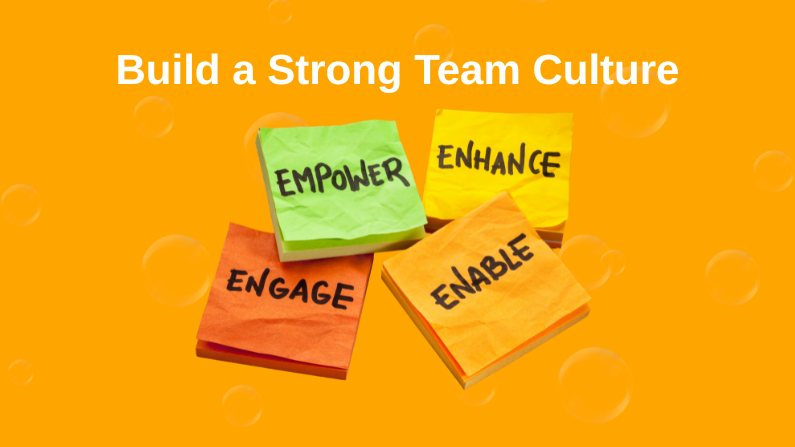
Effective delegation goes hand-in-hand with building a strong, cohesive team. By empowering your team members and trusting them to take on significant responsibilities, you cultivate an environment of collaboration, accountability and growth. Encourage transparency, open discussions and the sharing of ideas. Team members should feel comfortable asking for help and sharing challenges. Help your team develop their skills by offering professional development opportunities. The more skilled your team is, the easier it will be to delegate more complex tasks. Encourage teamwork by having your team collaborate on projects, share knowledge and support one another in achieving common goals. As the entrepreneur and leader, set the tone by demonstrating trust, respect and a willingness to delegate. Your behaviour will influence how your team operates.

Conclusion: Delegation as a Path to Growth

Mastering the art of delegation is essential for any entrepreneur who wants to scale their business and build a strong team. It is not just about lightening your workload – it is about empowering your team, fostering collaboration and allowing your business to grow in new and exciting ways. By following these strategies and focusing on clear communication, trust and empowerment, you can delegate tasks with confidence and build a team that is capable, motivated and aligned with your business goals. Remember, delegation isn’t about doing less; it is about doing more of what matters – and helping your team achieve their full potential.

 

Business Strategy

Business Strategy

How to Create a Business Strategy That Aligns with Your Personal Values

Your business is more than a way to earn a living – it can reflect who you are. The way you lead make decisions and serve your clients is influenced by your personal values. When your strategy aligns with those values your business becomes more meaningful motivating and sustainable. People are drawn to authenticity. When your values are visible in your business you build deeper trust with client’s partners and your team. It is not just about making money – it is about building something that matters. Values-driven businesses tend to be more resilient too. When challenges arise you will be able to make tough decisions with clarity because you know what you stand for. To align your strategy with your values, start by identifying what matters most to you. Ask yourself:

  • What do I believe in?
  • What am I passionate about?
  • What kind of impact do I want to make?
  • What values guide my personal life?

Common values include integrity creativity respect and service. Choose three to five that resonate most with you. These will be your guide as you shape your business strategy. Next look at how to bring those values into your daily operations. For example, if honesty is a core value consider how you can ensure transparency with clients – in pricing communication and delivery. If you value innovation, how can you encourage fresh ideas or experimentation in your offerings? Then turn your values into a vision. Your business vision should reflect not only what you do but why you do it. For example, if your value is sustainability your vision might be “To create eco-conscious products that promote mindful living.” This helps you and your team stay aligned and focused on what truly matters.

Once your values and vision are clear set goals that reflect them. Think short-term goals that reinforce your values – like improving client communication, medium-term goals such as building better systems and long-term goals that support your overall mission. Make sure every goal has a clear purpose and is aligned with your core beliefs. Your values should also shape your business culture. Whether you are working solo or leading a team model the values you want to see. Show up with consistency and lead by example. If your team sees you prioritising respect openness or creativity, they are more likely to do the same. Build in ways to reward behaviours that align with your values and nurture a culture that supports both growth and meaning. Finally revisit your strategy regularly. As your business evolves your values may shift or grow. Periodic check-ins help ensure that your direction stays aligned with who you are and where you want to go.

Build a values-driven business for lasting success. A values-aligned business strategy helps you stay motivated connected and purpose-driven. It not only leads to stronger relationships with clients and partners but also creates deeper fulfilment in the work you do. When your business reflects your best self, you build something that lasts – something that matters.


Growth Mindset

Growth Mindset

Building a Growth Mindset for Your Business: The Key to Long-Term Success

As a business owner your mindset directly shapes your ability to grow lead and adapt. How you handle challenges setbacks and opportunities can define whether your business flourishes or stalls. One of the most powerful ways to stay resilient and future-focused is by cultivating a growth mindset. A growth mindset is the belief that intelligence skills and abilities can be developed through effort learning and persistence. Introduced by psychologist Carol Dweck this mindset encourages flexibility and continuous improvement. It contrasts with a fixed mindset which assumes that talents and intelligence are unchangeable.

When you lead with a growth mindset challenges become opportunities. Instead of seeing setbacks as failures you see them as valuable lessons. Whether it is a missed goal or a shift in the market you gain insight from every experience and use it to refine your approach. Entrepreneurs with a growth mindset tend to be more open to innovation. They embrace feedback try new strategies and adapt to change more easily. This mindset supports long-term success by encouraging you to stay curious keep learning and evolve alongside your industry.

Before building a growth mindset it helps to notice where a fixed mindset might show up. Do you avoid feedback or take it personally? Do you see failure as a sign to stop instead of a reason to improve? Shifting these patterns begins with changing your perspective. When you fail ask yourself “What can I learn from this?” Break larger challenges into smaller steps and take consistent action. Remind yourself that growth is a process not a one-time outcome. Instead of fearing feedback seek it. Ask your team customers or mentors for honest insights and use it to sharpen your skills and systems. Feedback is not criticism – it is information that can help you grow.

Once you are aware of the difference between fixed and growth mindsets you can begin to build a growth culture in your business. Start by embracing challenges. Approach them with curiosity instead of fear and encourage your team to do the same. Make space for creative problem-solving and experimentation. Promote a culture of learning. Invest in personal and professional development for yourself and your team. Stay updated on trends attend workshops and share useful resources. When learning is part of your culture growth becomes natural.

Set goals that focus not just on outcomes but on progress and learning. Track what’s working celebrate small wins and refine your approach as needed. This keeps your team motivated and aligned with your vision. Above all lead by example. Show that you are open to change willing to learn from mistakes and committed to improving. Your mindset sets the tone for your entire business. Growth mindset can be a business superpower. A growth mindset helps you stay adaptable resilient and future-ready. By embracing challenges staying open to feedback and committing to continuous learning you can build a business that grows with intention and impact. With the right mindset success becomes not just possible – but sustainable.


Mindfulness Practices

Mindfulness Practices

Mindfulness Practices for Everyday Living: Cultivating Presence and Peace

In the hustle of modern life, it is easy to be swept away by the constant demands of work, family and technology. We move quickly from one task to another, often on autopilot, rarely pausing to engage with the present moment. But what if we could slow down, become more aware of our thoughts and surroundings and truly connect with the now? That is where mindfulness comes in – a simple yet powerful practice that can transform daily life. Mindfulness is the act of paying full attention to the present moment, without judgment. It helps you become more aware of your thoughts, emotions and physical sensations. Practising mindfulness regularly can reduce stress, increase clarity and help you feel more grounded. The beauty of mindfulness is that it doesn’t require long hours or a specific setting. You can weave simple practices into your routine that gently bring your focus back to the present.

How you start your morning can shape the rest of your day. Before reaching for your phone or jumping into work, try checking in with yourself. Notice how your body feels, take a few deep breaths and acknowledge your thoughts without trying to change them. Consider three things you are grateful for. Gratitude naturally shifts your mindset toward positivity. Spend a couple of minutes breathing deeply or stretching. Focus on your body and how it moves. This early-morning awareness helps set a calm tone and keeps you centred through the day.

Mindfulness can also be brought into how you eat. Rather than rushing through meals or snacking while distracted, pay attention to the textures, smells and flavours of your food. Chew slowly, and notice when your body feels full. Being present during meals not only enhances your enjoyment but also supports digestion and your body’s natural cues. Another easy way to practice mindfulness is through walking. Most of us walk without thinking, but mindful walking brings your attention to each step. Notice how your feet touch the ground and the rhythm of your movement. Be aware of the air on your skin, the sounds around you and what you see. Even a short walk can become a grounding and calming experience when you are truly present.

When the day gets overwhelming, mindful breathing can bring you back to a calm state. Sit comfortably, close your eyes and focus on your breath as it moves in and out of your body. Let each inhale and exhale anchor you to the present. This technique is always available, whether you are at your desk, in a meeting or handling a difficult moment. Mindfulness can also be woven into ordinary tasks. Washing dishes, folding laundry or answering emails can become opportunities to pause and focus. Tune into the sensations, sights or sounds involved in what you are doing. With awareness, even simple chores can bring a sense of peace.

End your day with a few minutes of reflection. Take a few breaths, recall moments when you felt present or grateful and think of three things that went well. This gentle evening check-in can help you unwind and promote restful sleep. Mindfulness isn’t about getting it perfect. It is about showing up with awareness and choosing presence, moment by moment. Practised regularly, it brings more peace, clarity and joy to everyday life.


Work-Life Balance

Work-Life Balance

The Importance of Work-Life Balance for Personal Wellbeing

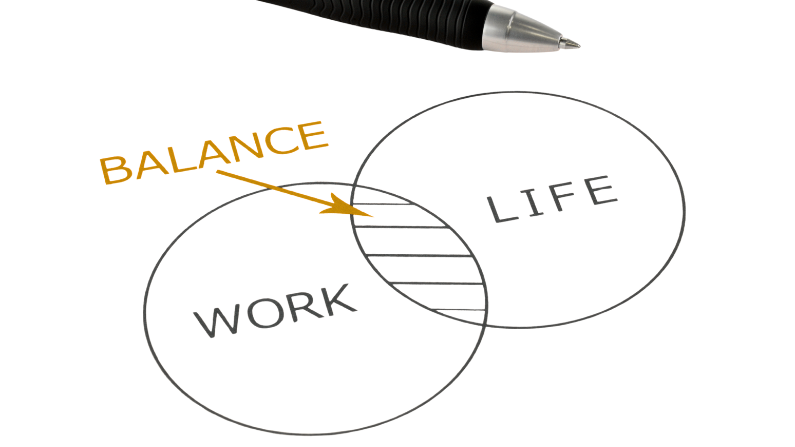
In today’s fast-paced world, achieving a healthy work-life balance can feel out of reach. Many of us juggle work responsibilities, personal commitments and the desire for self-care, often sacrificing one area for the other. But balance isn’t a luxury – it is essential for your wellbeing. It is not about splitting time equally between work and personal life. It is about creating harmony so that you have the energy and space for work, rest, relationships and personal growth. Prioritising work-life balance benefits both your mental and physical health. Chronic stress from overworking can lead to burnout, anxiety and physical illness. Taking time to rest allows your mind and body to recharge. Breaks improve focus and productivity, not hinder them. You also show up more present in your relationships, giving time and energy to the people who matter most. Time for hobbies and personal interests supports self-reflection and growth, contributing to a well-rounded life. Many people don’t realise they are out of balance until they experience the signs – constant stress, working late into the night, skipping social events, struggling to disconnect from work or feeling physically unwell. These are signals that something needs to change. Small, intentional adjustments can help restore balance and protect your overall wellbeing.

One of the most effective ways to improve work-life balance is to set boundaries. Designate clear work hours, turn off notifications during personal time and communicate your availability. Boundaries create space for rest and reduce the pressure to always be “on.” Prioritising tasks also plays a big role. Not every task needs urgent attention. Focus on what is most meaningful at work and in your personal life. Use simple tools like time-blocking or the Eisenhower Matrix to stay focused and productive. Self-care is non-negotiable. When you take care of yourself, everything else runs more smoothly. Make time daily – even 15 minutes – for something that brings you joy or helps you recharge. Whether it is reading, moving your body or sitting in stillness, regular self-care helps prevent burnout and keeps you connected to yourself.

Delegating and asking for support can ease the pressure. You don’t have to do everything alone. At work or at home, letting go of tasks that don’t require your full attention can free up valuable time and energy. Learning to say no is another important skill. If you say yes to everything, you risk stretching yourself too thin. Honour your limits and protect your time for the things that truly matter. Technology is helpful, but it can easily blur the lines between work and personal life. Use it with intention. Turn off notifications after hours, set screen time boundaries and carve out device-free moments. Simple steps like these help you stay present in your personal life.

A balanced life supports your health, productivity and relationships. It allows you to show up fully for your work and your personal life without burning out. With intention and regular reflection, you can build a life that supports your long-term wellbeing. Work-life balance is not about perfection – it is about prioritising your wellbeing so that you can live and work with clarity and purpose. When you care for yourself first, everything else becomes more manageable.


Overcoming Self-Doubt

Overcoming Self-Doubt

Overcoming Self-Doubt: Tips for Building Confidence

Self-doubt is something everyone experiences from time to time. Whether it shows up at work, in relationships, or when you are considering a new goal, it can be a powerful force that keeps you stuck. But the good news is that self-doubt isn’t permanent. It is something you can work through – and doing so builds real, lasting confidence. Confidence isn’t about being fearless or having everything figured out. It is about acknowledging doubt and choosing to move forward anyway. Self-doubt is a natural response when we are uncertain or stepping outside our comfort zone. Even the most successful people feel it. The key is not to let it define your decisions. When doubt shows up, try to observe it without judgment. Remind yourself that it is a temporary feeling, not a reflection of your worth or ability.

A lot of self-doubt comes from the stories we tell ourselves. We often believe thoughts like “I’m not good enough” or “I’ll fail if I try.” Instead of accepting these thoughts as truth, ask yourself where they come from. Are they based on facts or assumptions? Would you say the same thing to a friend in your position? Reframing these thoughts into something more realistic and empowering – like “I’m learning,” or “I’ve done hard things before” – can reduce their grip and shift your mindset. Reflecting on past successes is another powerful way to counter self-doubt. When you start to question your abilities, look back at the things you have accomplished. Big or small, your achievements are proof of your resilience. Consider keeping a “success journal” where you write down positive feedback or wins that made you proud. On days when doubt creeps in, revisit those entries and remind yourself of your strength.

One of the most effective ways to quiet self-doubt is by taking action. Waiting for confidence to appear before you begin often leads to inaction. Confidence grows as you take steps – no matter how small. Break your goal into manageable tasks and focus on progress, not perfection. The more you act despite fear, the more you prove to yourself that you are capable. Visualisation can also help. Take a few minutes each day to picture yourself succeeding. Imagine how it feels to overcome obstacles and reach your goal. This simple mental practice helps boost belief in yourself and reduces anxiety around outcomes. You are training your brain to expect success rather than failure.

Who you surround yourself with also matters. Supportive people can help you see your value when you can’t. Spend time with those who uplift you, encourage your growth and believe in your potential. When needed, lean on them for perspective or reassurance. Finally, practice self-compassion. Be kind to yourself when things don’t go as planned. Doubt doesn’t mean you’ve failed – it means you are growing. Let go of perfection, focus on progress and celebrate the effort you are making. Confidence comes not from getting it right every time, but from showing up and trying, even when it is hard.