Maximise Productivity

Maximise Productivity

How to Maximise Your Productivity as an Entrepreneur

Entrepreneurs juggle many roles. They are the strategist, the marketer, the customer service rep, the bookkeeper and more. With so many responsibilities, it can often feel like there is never enough time in the day. But increasing productivity is possible with the right approach. By managing your time effectively and using proven productivity strategies, you can stay focused organised and efficient without burning out.

Trying to do everything at once is a common mistake. Multitasking may feel productive however it often reduces the quality of your work and slows you down. Instead focus on prioritising. Each morning, identify your top three most important tasks. These should be the ones that have the biggest impact on your business. Complete them first before tackling anything else. This gives you a sense of progress early in the day and keeps your focus sharp. Using structured techniques can also help. The Pomodoro method encourages short-focused work sessions followed by breaks. Set a timer for twenty-five minutes and work on a single task until it rings. Then take a five-minute break. After four sessions take a longer break. This helps reduce distractions prevent fatigue and keep your mind fresh.

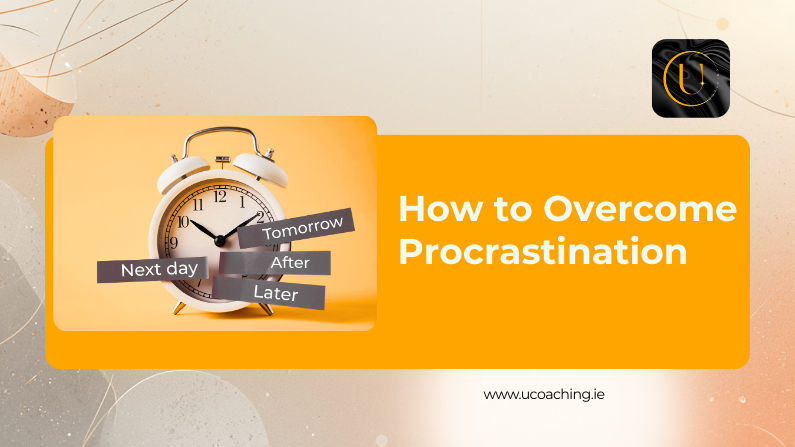
Time blocking is another effective tool. Allocate specific blocks of time for each task in your day and stick to that schedule as closely as possible. This prevents overcommitting and helps you stay in control. When you know what you are supposed to be doing at any given time it becomes easier to avoid procrastination. Automating repetitive tasks saves time and mental energy. Whether it is scheduling social media posts, sending follow-up emails or tracking expenses, there are tools available that can do this for you. Start by identifying simple tasks that do not require your personal attention and set up systems to handle them automatically.

Learning to say no is also essential. Not every opportunity is worth pursuing. When a new request or offer comes your way, ask yourself whether it aligns with your goals. If it doesn’t, politely decline. Saying no allows you to focus your time and energy where it matters most and avoids stretching yourself too thin.  Delegation is key to scaling your business. You do not have to do everything yourself. Hire professionals for tasks like graphic design, bookkeeping or customer support. This frees you up to focus on higher level work and growth opportunities. Even bringing on a virtual assistant for a few hours a week can make a big difference. Apply the 80/20 rule, by identifying the tasks that generate the most results and spending more time on those. Most of your progress will come from a small portion of your activities. Focus on what drives impact and eliminate or outsource the rest. Try not to neglect your wellbeing. Good sleep regular exercise and healthy eating all contribute to better focus and decision making. Taking care of your health ensures you have the energy and clarity to perform at your best.

Maximising your productivity as an entrepreneur is not just about working harder but about working smarter. By adopting time management techniques, prioritising your tasks, delegating effectively and taking care of your wellbeing, you can get more done in less time and make consistent progress toward your goals. Remember, productivity is a continuous journey. Start small, test different strategies and refine your approach as you go. Over time, these habits will build momentum and lead to massive results in both your personal and professional life.

World Meditation Day

World Meditation Day

World Mediation Day – The Power of Stillness in a Busy World

In a world filled with constant noise, busy calendars and the pressure to always stay ahead, World Mediation Day offers a much-needed reminder to pause and reconnect with ourselves. More than a wellness trend, meditation has become an essential practice for anyone seeking clarity, leaders and entrepreneurs in both life and business.

The United Nations states: “According to archaeologists, meditation dates back to 5,000 BCE” and that “Meditation can help reduce stress, blood pressure and anxiety, promote emotional health, enhance self-awareness and improve sleep” … “fostering inner peace through meditation”. Meditation is often misunderstood as the practice of “emptying the mind”. It is about creating “space” – space between thoughts, space for reflection, space for insight and more. In that space, we gain the ability to see more clearly and respond more intentionally, rather than react impulsively.

For individuals working on personal or professional growth, meditation offers a variety of powerful benefits. Studies consistently show that even a few minutes a day can reduce stress, improve emotional regulation, heighten focus and strengthen creativity. When we slow down internally, we think more expansively. Solutions become clearer. Decisions feel more aligned. In business, this becomes a strategic advantage. A distracted mind misses opportunities; a grounded mind recognises them. Mindfulness practices help leaders cultivate a sense of inner calm that translates to stronger communication, more thoughtful planning and more compassionate leadership. When you lead from presence rather than pressure, the people around you feel it.

Meditation influences every part of life; self-awareness increases, relationships grow stronger and conversations become deeper. Meditation gives us the opportunity to tune in – to listen to what our body, intuition and heart are trying to communicate to us every single day. World Meditation Day encourages us to explore meditation in a way that feels accessible and enjoyable – to restore harmony. It doesn’t require hour-long sessions or perfect silence. Just five minutes of mindful meditation has the potential to shift your entire day! Click here to read the United Nations article on World Meditation Day https://www.internationaldays.org/december/world-meditation-day.

As we celebrate #WorldMeditationDay, remember that the most powerful change begins within. A quiet mind leads to a clearer path. A grounded leader builds a stronger future. A more conscious life begins with a moment of meditation and reflection.

Small Habits, Big Changes

Small Habits, Big Changes

Small Daily Habits That Lead to Big Changes

Personal growth and success are often associated with monumental shifts, but real transformation tends to come from small, consistent actions. Instead of aiming for drastic change, focusing on manageable daily habits can lead to significant long-term results. The concept of the compound effect suggests that tiny, repeated actions over time create powerful outcomes. Whether your goal is improving productivity, health or mindset, small daily habits can help you get there.

Gratitude:

Starting your day with gratitude can shift your mindset from scarcity to abundance. Reflecting on things you are thankful for helps you focus on the positive and reduces stress. Taking just five minutes each morning to write down three things you are grateful for sets a positive tone for the day and boosts mental wellbeing.

The Two-Minute Rule:

If a task will take two minutes or less, do it immediately. Simple tasks, like responding to emails or tidying up, can pile up and create stress. By completing them right away, you clear mental clutter and stay on top of responsibilities, leading to a sense of accomplishment.

Daily Goals:

Setting a small, achievable goal each day, such as reading a chapter of a book or writing 500 words, helps maintain focus and consistency. By accomplishing a small goal daily, you build momentum and confidence, making it easier to stay motivated over time.

Morning Routine:

A structured morning routine sets the stage for a productive day. Activities like meditation, journaling, stretching or drinking water can help you feel grounded and prepared. Just 20-30 minutes of intentional morning habits can improve productivity and mental clarity.

Exercise:

Even 10-15 minutes of daily exercise can make a big difference in your physical and mental health. Exercise boosts mood, increases energy and improves focus. Whether it is a walk, stretching or a short workout, moving your body daily is essential for overall wellbeing.

Continuous Learning:

Commit to learning something new every day, whether it is reading, listening to a podcast or taking an online course. Lifelong learning sharpens your mind and helps you stay competitive in your personal and professional life. Aim for 15-30 minutes of personal development each day.

Reflection:

Reflecting on your day allows you to track progress and adjust your approach. Journaling about successes and challenges provides insight into what is working and what needs improvement. This practice fosters growth and keeps you accountable to your goals.

Mindfulness:

Practicing mindfulness, through meditation or simply focusing on the present moment, reduces stress and enhances mental clarity. Just a few minutes of mindfulness each day can improve concentration and emotional wellbeing.

Self-Compassion:

Treat yourself with kindness and understanding, especially after setbacks. Practicing self-compassion helps you bounce back from mistakes and maintain a positive mindset. Speak to yourself as you would a friend and recognise that growth often comes from learning through challenges.

Sleep:

Prioritise quality sleep, as it is crucial for cognitive function, emotional balance, and physical health. A consistent bedtime routine and 7-9 hours of sleep each night ensure that you wake up refreshed and ready to tackle the day.

The key to big changes lies in small, consistent habits. By incorporating simple practices like gratitude, exercise, learning and reflection into your routine will support you in making steady progress toward your bigger goals. Remember, transformation happens over time, one small step at a time.

Happy Thanksgiving

Happy Thanksgiving

Thanksgiving – A Celebration of Gratitude, Growth and Connection

Thanksgiving invites us into a moment that many of us rush past throughout the year; the moment to pause and truly appreciate. In the midst of busy schedules, goals to reach and responsibilities to manage, this holiday encourages us to reconnect with gratitude – on of the most transformative tools available in both life and business.

Gratitude is not just a seasonal reflection; it is a powerful mindset shift. When practiced consistently, it changes the way we see the world. Instead of focusing on what is missing, we begin to notice what is meaningful. Instead of fixating on challenges, we become aware of our strengths and support systems. Gratitude doesn’t ignore difficulty – it reframes it, helping us acknowledge growth and progress even in hard seasons. This makes Thanksgiving much more than a holiday centred around food and tradition, it becomes a celebration of connection, reflection and mindful appreciation.

In the realm of personal development, gratitude has been shown to improve emotional health, boost resilience and deepen relationships. It helps us slow down long enough to recognise the moments that truly matter – moments of supporting, learning, compassion and courage. In business, gratitude strengthens teams, fosters trust and inspires better communication. Leaders who practice gratitude lead with empathy and clarity, creating environments where people feel valued and motivated.

This Thanksgiving, give yourself permission to reflect on the past year with gently honesty. Consider what challenged you, what shaped you and what strengthened you. Growth doesn’t always come from victories. It often comes from the lessons we didn’t expect. When we acknowledge those lessons with gratitude, we can transform them into powerful learning stepping stones for the future.

Thanksgiving reminds us that life is richer when we acknowledge its gifts. As we gather with loved ones or reflect quietly on our own, take time to appreciate the journey you are on – the growth, the grace, the lessons and the people who walk beside you. May this season bring warmth, connection and a renewed sense of gratitude, and may you carry the feeling long after the holiday ends.

Setbacks to Success

Setbacks to Success

Success: How to Turn Setbacks into Opportunities for Growth

Every entrepreneur, leader or dreamer has faced setbacks at some point in their life. Whether it is an unexpected personal challenge, an obstacle that seems insurmountable or a unsuccessful business venture, setbacks can feel like a blow to your motivation and confidence. But what if setbacks weren’t the end of the road? What if they were ethe beginning of a new opportunity for growth? It is important to shift perspective when things go wrong, embrace setbacks as learning opportunities and use adversity as a stepping stone to personal and professional growth. The key to overcoming setbacks is recognising that every challenge is an opportunity waiting to be discovered.

One of the most powerful ways to deal with setbacks is to reframe them. Instead of viewing failure or obstacles as roadblocks, see them as a chance to learn and evolve. Every setback has valuable lessons to offer, even if they are not immediately obvious. Reframing helps you avoid a victim mentality and adopt a growth mindset which focuses on continuous improvement and sees challenges as opportunities to develop new skills. When you reframe a setback as a lesson, you turn a negative situation into a positive one by gaining insights into what went wrong and what can be done differently moving forward. After facing a setback, take time to reflect on it. Ask yourself:

  • What did I learn from this experience?
  • How can I apply this lesson to future endeavours?
  • What changes can I make to prevent similar setbacks from happening again?

Setbacks test your resilience – your ability to bounce back from challenges. Resilience is a crucial trait for anyone striving for long-term success. It allows you to recover quickly and continue moving forward despite obstacles. Every time you overcome adversity, you build emotional strength which enables your ability to handle future challenges. Resilient individuals don’t give up when the going gets tough. They keep pushing forward, knowing that setbacks are only temporary and that success is possible with perseverance. Practice self-care and develop habits that help you stay mentally strong. The more resilient you are, the more quickly you will bounce back from setbacks. Reflect on your initial motivation for pursuing your goals. Revisit your vision board to reignite spark. Sometimes setbacks can remind you of you “why” which is a powerful motivator to get back on track.

Setbacks don’t have to be the end of your journey – they can be the beginning of a new path to growth and success. They can reveal where you may be stuck. Embrace adaptability to find new solutions and better ways of achieving your goals. By shifting your perspective, staying resilient, embracing change and learning from your experiences, you can transform obstacles into stepping stones. Stay open to change. Get creative in the process. Remember, it is not about avoiding setbacks – it is about how you respond to them. With the right mindset and approach, every challenge becomes an opportunity to become stronger, wiser and more successful. Remember, celebrate each step, no matter how small!

Delegation Skills

Delegation Skills

How to Effectively Delegate and Build a Strong Team

As an entrepreneur, one of the biggest challenges you will face is learning how to delegate effectively. The early stages of running a business often require you to wear many hats, but as your business grows, the ability to delegate tasks becomes essential to scaling and ensuring long-term success. Learning how to delegate doesn’t just lighten your workload – it also helps you build a strong, collaborative team that is equipped to contribute to your company’s goals. Delegation is crucial for entrepreneurial success, how to delegate effectively is a skill that can build a strong team which can thrive through collaboration and trust.

Why Delegation Is Crucial for Entrepreneurs

In the early days of your business, you may feel the need to do everything yourself. After all, you are passionate about your work and want everything to be perfect. However, as your business grows, you will quickly realise that trying to manage every task and responsibility will lead to burnout, inefficiency and missed opportunities for innovation.

Delegating tasks allows you to focus on the most important aspects of running your business, such as strategic planning, vision and growth. It ensures that your team can handle the routine tasks, improving overall productivity. When you delegate tasks to your employees, you empower them to grow professionally. It fosters a sense of responsibility and builds their skill set, making them more valuable assets to your company. Trying to do everything yourself is a recipe for exhaustion. By delegating effectively, you reduce your workload and ensure you have the energy and focus needed for high-priority tasks. Delegation helps create a culture of teamwork. When everyone has ownership over specific tasks or projects, it encourages communication, problem-solving and a sense of community within your organisation.

The first step in effective delegation is identifying which tasks can and should be delegated. Not every task needs your attention and not every task is best suited for others.

Ask yourself:

  • Is this task essential to the core mission of the business? Tasks that require your expertise and strategic thinking are best kept on your plate.
  • Can this task be done by someone else? Tasks that are routine, administrative or require specialised skills can usually be delegated to others on your team.
  • Does this task align with the strengths of my team members? Consider the skills, knowledge and experience of your team members. The more you match tasks with their abilities, the more likely they are to succeed.

Delegation is not just about handing off work – it is about assigning the right task to the right person. When you are selecting who should handle a particular responsibility, consider the following factors:

  • Does the person have the skills and experience necessary to complete the task? If not, are they open to training?
  • Is this task something the person is passionate about or willing to take on? Motivated team members are more likely to do their best work.
  • Does this person have the bandwidth to take on this responsibility without being overwhelmed? Avoid overloading your team members.
  • Delegating certain tasks is an opportunity for team members to develop their skills. Consider using delegation as a way to help your team grow and prepare for future roles in your company.

Effective delegation involves more than just giving someone a task. It is crucial to communicate your expectations clearly to avoid confusion and ensure success. Clearly define the outcome you expect. Whether it is completing a report, managing a client project or organising an event, make sure the goal is specific and measurable. Make sure the person has access to the tools, information and resources they need to complete the task successfully. This could be software, data or simply knowledge. Provide realistic deadlines and ensure the person understands when the task needs to be completed. Encourage team members to ask questions if they need clarification. Regular check-ins or progress reports can help keep everyone on track.

Once you have delegated the task, it is time to step back and trust your team to do their job. Micromanaging can lead to frustration, lower morale and a lack of trust between you and your team members. Allow your team members the freedom to approach tasks in their own way, as long as the outcome aligns with your expectations. Trusting them to take ownership of their work shows confidence in their abilities. Be available for guidance and support when needed, but avoid stepping in unless absolutely necessary. Let them make decisions and solve problems on their own. When issues arise, encourage your team members to find solutions before coming to you. This fosters independence and helps them develop critical thinking skills.

After the task is completed, it is essential to provide feedback and recognise the efforts of your team. Positive feedback is a powerful motivator and helps build trust and confidence in your team’s abilities. When providing feedback, make sure it is constructive. Focus on what was done well and offer guidance on areas for improvement. This helps your team members grow and learn from the experience. Recognise accomplishments in team meetings, emails or through company-wide announcements. This not only boosts morale but also sets a standard for others to follow. Use each delegation experience as an opportunity for learning and improvement. Ask your team for feedback on how you can support them more effectively in the future.

Effective delegation goes hand-in-hand with building a strong, cohesive team. By empowering your team members and trusting them to take on significant responsibilities, you cultivate an environment of collaboration, accountability and growth. Encourage transparency, open discussions and the sharing of ideas. Team members should feel comfortable asking for help and sharing challenges. Help your team develop their skills by offering professional development opportunities. The more skilled your team is, the easier it will be to delegate more complex tasks. Encourage teamwork by having your team collaborate on projects, share knowledge and support one another in achieving common goals. As the entrepreneur and leader, set the tone by demonstrating trust, respect and a willingness to delegate. Your behaviour will influence how your team operates.

Conclusion: Delegation as a Path to Growth

Mastering the art of delegation is essential for any entrepreneur who wants to scale their business and build a strong team. It is not just about lightening your workload – it is about empowering your team, fostering collaboration and allowing your business to grow in new and exciting ways. By following these strategies and focusing on clear communication, trust and empowerment, you can delegate tasks with confidence and build a team that is capable, motivated and aligned with your business goals. Remember, delegation isn’t about doing less; it is about doing more of what matters – and helping your team achieve their full potential.