Entrepreneurial Challenges

Entrepreneurial Challenges

How to Overcome Common Entrepreneurial Challenges

Starting and running your own business is exciting, but it comes with real challenges. Whether you are launching a new venture or have years of experience, every entrepreneur faces obstacles – from financial stress and time management to self-doubt and competition. What sets successful entrepreneurs apart is their resilience, adaptability and willingness to learn from setbacks. It is common for entrepreneurs to question their abilities. You may wonder if you are on the right path or feel like an imposter, even after success. The key is to recognise these thoughts without letting them define you. Reframe self-doubt into positive affirmations, focus on progress over perfection and celebrate small wins. Seek mentorship or peer support to gain perspective. Remember, self-doubt is part of growth – not a sign that you are failing.

Cash flow is one of the most frequent and stressful challenges for entrepreneurs. Without sound financial planning, even the best ideas can struggle to survive. Build a detailed budget that covers all your expenses – fixed and variable – and revisit it regularly. Forecast future revenue and plan for slow periods. If possible, create a financial buffer by saving 3-6 months of operating costs. When needed, explore funding options like loans, investors or grants – but always have a plan for how the funds will support sustainable growth.

Wearing multiple hats is part of running a business, but without boundaries, it can lead to burnout. Prioritise tasks using tools like the Eisenhower Matrix and break work into manageable chunks. Set clear work hours and allow time to recharge. Delegate tasks that fall outside your strengths and invest in systems or software that help streamline operations. Protecting your time and energy is essential for long-term productivity and wellbeing.

In any industry, competition is inevitable. Instead of fearing it, use it as an opportunity to differentiate your brand. Identify your unique selling points and communicate them clearly. Focus on delivering a standout customer experience by truly listening to your audience and exceeding expectations. Stay flexible and open to feedback – adapting your offer when needed. Collaborations and partnerships can also be powerful ways to expand your reach without going head-to-head with competitors.

Marketing can feel overwhelming, especially with limited resources. Start by understanding your ideal customer – their needs, interests and problems. Then tailor your messaging across platforms. Social media, content and email marketing are effective tools when used strategically. Track what is working, adjust where needed and focus on consistent value. Marketing success rarely happens overnight – it is a long game of testing, learning and building trust.

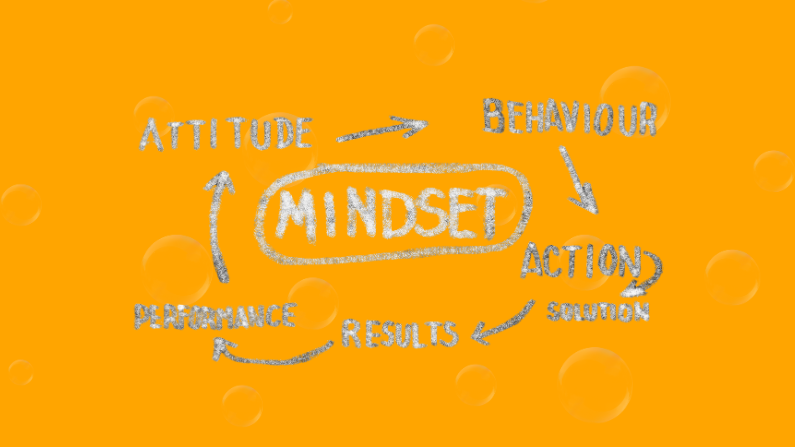
Entrepreneurship is a journey filled with challenges but each one is an opportunity to grow. With the right mindset, tools and support, you can overcome obstacles and build a business that reflects your values and vision. Stay adaptable, keep learning and trust in your ability to succeed – one step at a time.



Work-Life Balance

Work-Life Balance

The Importance of Work-Life Balance for Personal Wellbeing

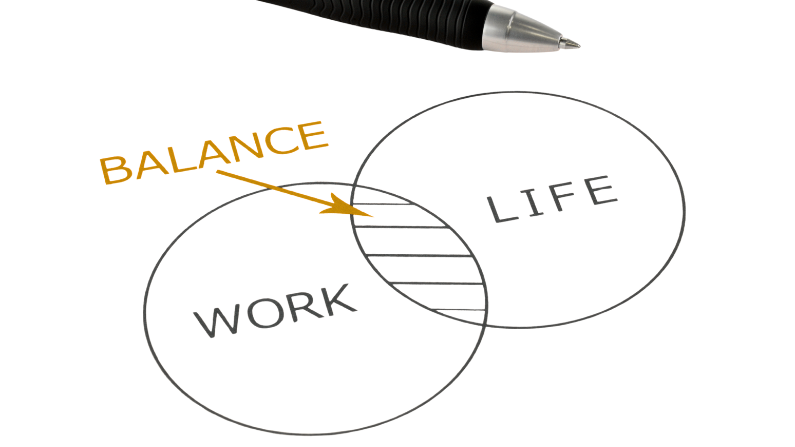
In today’s fast-paced world, achieving a healthy work-life balance can feel out of reach. Many of us juggle work responsibilities, personal commitments and the desire for self-care, often sacrificing one area for the other. But balance isn’t a luxury – it is essential for your wellbeing. It is not about splitting time equally between work and personal life. It is about creating harmony so that you have the energy and space for work, rest, relationships and personal growth. Prioritising work-life balance benefits both your mental and physical health. Chronic stress from overworking can lead to burnout, anxiety and physical illness. Taking time to rest allows your mind and body to recharge. Breaks improve focus and productivity, not hinder them. You also show up more present in your relationships, giving time and energy to the people who matter most. Time for hobbies and personal interests supports self-reflection and growth, contributing to a well-rounded life. Many people don’t realise they are out of balance until they experience the signs – constant stress, working late into the night, skipping social events, struggling to disconnect from work or feeling physically unwell. These are signals that something needs to change. Small, intentional adjustments can help restore balance and protect your overall wellbeing.

One of the most effective ways to improve work-life balance is to set boundaries. Designate clear work hours, turn off notifications during personal time and communicate your availability. Boundaries create space for rest and reduce the pressure to always be “on.” Prioritising tasks also plays a big role. Not every task needs urgent attention. Focus on what is most meaningful at work and in your personal life. Use simple tools like time-blocking or the Eisenhower Matrix to stay focused and productive. Self-care is non-negotiable. When you take care of yourself, everything else runs more smoothly. Make time daily – even 15 minutes – for something that brings you joy or helps you recharge. Whether it is reading, moving your body or sitting in stillness, regular self-care helps prevent burnout and keeps you connected to yourself.

Delegating and asking for support can ease the pressure. You don’t have to do everything alone. At work or at home, letting go of tasks that don’t require your full attention can free up valuable time and energy. Learning to say no is another important skill. If you say yes to everything, you risk stretching yourself too thin. Honour your limits and protect your time for the things that truly matter. Technology is helpful, but it can easily blur the lines between work and personal life. Use it with intention. Turn off notifications after hours, set screen time boundaries and carve out device-free moments. Simple steps like these help you stay present in your personal life.

A balanced life supports your health, productivity and relationships. It allows you to show up fully for your work and your personal life without burning out. With intention and regular reflection, you can build a life that supports your long-term wellbeing. Work-life balance is not about perfection – it is about prioritising your wellbeing so that you can live and work with clarity and purpose. When you care for yourself first, everything else becomes more manageable.


Overcoming Self-Doubt

Overcoming Self-Doubt

Overcoming Self-Doubt: Tips for Building Confidence

Self-doubt is something everyone experiences from time to time. Whether it shows up at work, in relationships, or when you are considering a new goal, it can be a powerful force that keeps you stuck. But the good news is that self-doubt isn’t permanent. It is something you can work through – and doing so builds real, lasting confidence. Confidence isn’t about being fearless or having everything figured out. It is about acknowledging doubt and choosing to move forward anyway. Self-doubt is a natural response when we are uncertain or stepping outside our comfort zone. Even the most successful people feel it. The key is not to let it define your decisions. When doubt shows up, try to observe it without judgment. Remind yourself that it is a temporary feeling, not a reflection of your worth or ability.

A lot of self-doubt comes from the stories we tell ourselves. We often believe thoughts like “I’m not good enough” or “I’ll fail if I try.” Instead of accepting these thoughts as truth, ask yourself where they come from. Are they based on facts or assumptions? Would you say the same thing to a friend in your position? Reframing these thoughts into something more realistic and empowering – like “I’m learning,” or “I’ve done hard things before” – can reduce their grip and shift your mindset. Reflecting on past successes is another powerful way to counter self-doubt. When you start to question your abilities, look back at the things you have accomplished. Big or small, your achievements are proof of your resilience. Consider keeping a “success journal” where you write down positive feedback or wins that made you proud. On days when doubt creeps in, revisit those entries and remind yourself of your strength.

One of the most effective ways to quiet self-doubt is by taking action. Waiting for confidence to appear before you begin often leads to inaction. Confidence grows as you take steps – no matter how small. Break your goal into manageable tasks and focus on progress, not perfection. The more you act despite fear, the more you prove to yourself that you are capable. Visualisation can also help. Take a few minutes each day to picture yourself succeeding. Imagine how it feels to overcome obstacles and reach your goal. This simple mental practice helps boost belief in yourself and reduces anxiety around outcomes. You are training your brain to expect success rather than failure.

Who you surround yourself with also matters. Supportive people can help you see your value when you can’t. Spend time with those who uplift you, encourage your growth and believe in your potential. When needed, lean on them for perspective or reassurance. Finally, practice self-compassion. Be kind to yourself when things don’t go as planned. Doubt doesn’t mean you’ve failed – it means you are growing. Let go of perfection, focus on progress and celebrate the effort you are making. Confidence comes not from getting it right every time, but from showing up and trying, even when it is hard.


Positive Thinking

Positive Thinking

The Powerful Potential of Positive Thinking: How to Cultivate a Success Mindset

A success mindset begins with how you think – and cultivating positive thinking is one of the most powerful ways to unlock your potential. Positive thinking doesn’t mean ignoring problems or pretending everything is fine. It is about choosing to approach challenges with optimism, resilience and belief in your ability to grow. When you train your mind to look for solutions and see setbacks as part of the journey, you create a mental environment that supports progress and personal growth. We all have moments of self-doubt. That inner critic often tells us we are not good enough or that we will fail. The first step to shifting your mindset is noticing when these negative thoughts arise. Once you recognise them, challenge their truth and replace them with more empowering beliefs. Instead of thinking, “I can’t do this,” try “I’m still learning, and that’s okay.” Over time, this practice helps rewire your brain to focus on strengths instead of shortcomings.

Visualising success is another tool that strengthens your mindset. When you take a few moments each day to imagine yourself achieving your goals – how it feels, what it looks like – you create a sense of confidence and possibility. This not only boosts motivation but also primes your brain to take aligned action. Pair this with gratitude to create a more powerful shift. Reflect on what you have already accomplished, however small. Gratitude helps you stay focused on progress and possibility instead of limitations.

When challenges arise – and they will – choose to focus on what you can control. You might not be able to change every external situation, but you can always choose your response. Whether you are facing career uncertainty, personal struggles or a difficult decision, channel your energy into what is within your reach. Break your goals into small steps and take action, even when doubt creeps in. Action builds confidence, even if the steps feel minor. Resilience also grows when you start seeing challenges as opportunities to learn. Every obstacle holds a lesson, and each setback is a chance to grow stronger. It is not about getting everything right – it is about showing up consistently and learning along the way. Instead of fearing failure, reframe it as part of your journey toward success. You will develop not just confidence, but emotional strength that lasts.

Who you spend time with can shape how you think and feel. Surround yourself with people who support your growth and believe in your potential. Mentors, friends or communities that uplift you can help reinforce positive thinking and keep you focused. At the same time, reduce exposure to negativity – whether that is from people, social media or environments that drain your energy or feed self-doubt.

Small daily habits also make a difference. Keeping a gratitude journal, practicing affirmations or even just reflecting on a win from the day can reinforce a mindset of abundance and possibility. Affirmations like “I am capable of achieving my goals” or “I am learning and improving every day” help you stay grounded in belief rather than fear. Ultimately, developing a success mindset is about consistency, not perfection. When you choose optimism, take action despite fear, and commit to learning, you create a mental foundation for growth that helps you keep moving forward – one thought, one step at a time.