Overcome Procrastination
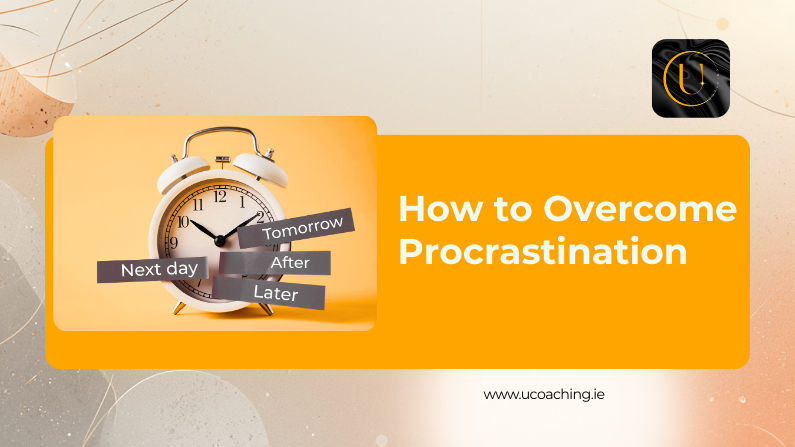
How to Overcome Procrastination and Get Things Done
Procrastination is something nearly everyone experiences. Whether it is delaying an important project, avoiding routine tasks or getting distracted by social media, procrastination can quickly become a barrier to productivity and success. It often leads to stress, reduced efficiency and a constant feeling of being overwhelmed. The good news is that procrastination is a habit – and like any habit, it can be changed. Overcoming procrastination isn’t about becoming endlessly productive overnight. It is about shifting your mindset, using effective strategies and building supportive routines. Understanding why procrastination happens is the first step toward overcoming it.
Many people procrastinate due to fear of failure or perfectionism, feeling overwhelmed by large tasks, lack of motivation or constant distractions. When tasks feel unclear or intimidating, avoidance becomes the default response. Recognising these triggers allows you to address them with practical solutions. One of the most effective ways to beat procrastination is by breaking tasks into smaller, manageable steps. Large tasks often feel overwhelming, making it easy to delay starting. Breaking them down creates clarity and builds momentum through small wins. For example, instead of “write a report”, focus on outlining, drafting sections and revising. Each completed step increases motivation and makes progress feel achievable.
Another helpful strategy is the two-minute rule. If a task can be completed in two minutes or less, do it immediately. This prevents small tasks from piling up and creating mental clutter. Completing quick tasks right away provides instant relief and builds motivation for tackling larger ones. Clear, specific goals also reduce procrastination. Ambiguity often leads to avoidance, so defining exactly what needs to be done removes uncertainty. Setting realistic, actionable goals – such as completing a draft by a specific time – helps maintain focus. Using the SMART goal framework can make tasks more structured and achievable.
The Pomodoro Technique is another powerful tool for overcoming procrastination. It involves working in focused 25-minute intervals followed by short breaks. This method reduces the pressure of long work sessions, increases focus and prevents burnout. Knowing you only need to concentrate for a short period makes it easier to start and stay engaged. Minimising distractions is equally important. Notifications, social media and interruptions break concentration and encourage procrastination. Creating a distraction-free workspace, turning off alerts and using focus tools can significantly improve productivity and help you stay immersed in your tasks.
If starting feels difficult, commit to just five minutes of work. Often, beginning is the hardest part. Once you start, it becomes easier to continue, and five minutes often turns into a longer productive session. Accountability can also make a big difference. Having someone check in on your progress creates external motivation and encourages consistency. Whether it is a friend, colleague or mentor, regular check-ins help keep procrastination in check.
Finally, practice self-compassion. Being harsh on yourself only increases stress and avoidance. Acknowledge setbacks without judgment, reward progress and focus on moving forward. Overcoming procrastination is about progress, not perfection. By applying these strategies consistently, you can build momentum, improve focus and get things done with greater ease and confidence.