
The Importance of Work-Life Balance for Personal Wellbeing
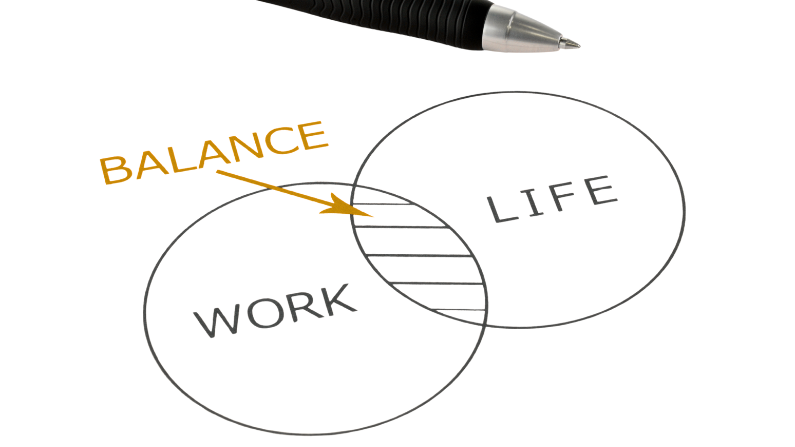
In today’s fast-paced world, achieving a healthy work-life balance can feel out of reach. Many of us juggle work responsibilities, personal commitments and the desire for self-care, often sacrificing one area for the other. But balance isn’t a luxury – it is essential for your wellbeing. It is not about splitting time equally between work and personal life. It is about creating harmony so that you have the energy and space for work, rest, relationships and personal growth. Prioritising work-life balance benefits both your mental and physical health. Chronic stress from overworking can lead to burnout, anxiety and physical illness. Taking time to rest allows your mind and body to recharge. Breaks improve focus and productivity, not hinder them. You also show up more present in your relationships, giving time and energy to the people who matter most. Time for hobbies and personal interests supports self-reflection and growth, contributing to a well-rounded life. Many people don’t realise they are out of balance until they experience the signs – constant stress, working late into the night, skipping social events, struggling to disconnect from work or feeling physically unwell. These are signals that something needs to change. Small, intentional adjustments can help restore balance and protect your overall wellbeing.
One of the most effective ways to improve work-life balance is to set boundaries. Designate clear work hours, turn off notifications during personal time and communicate your availability. Boundaries create space for rest and reduce the pressure to always be “on.” Prioritising tasks also plays a big role. Not every task needs urgent attention. Focus on what is most meaningful at work and in your personal life. Use simple tools like time-blocking or the Eisenhower Matrix to stay focused and productive. Self-care is non-negotiable. When you take care of yourself, everything else runs more smoothly. Make time daily – even 15 minutes – for something that brings you joy or helps you recharge. Whether it is reading, moving your body or sitting in stillness, regular self-care helps prevent burnout and keeps you connected to yourself.
Delegating and asking for support can ease the pressure. You don’t have to do everything alone. At work or at home, letting go of tasks that don’t require your full attention can free up valuable time and energy. Learning to say no is another important skill. If you say yes to everything, you risk stretching yourself too thin. Honour your limits and protect your time for the things that truly matter. Technology is helpful, but it can easily blur the lines between work and personal life. Use it with intention. Turn off notifications after hours, set screen time boundaries and carve out device-free moments. Simple steps like these help you stay present in your personal life.
A balanced life supports your health, productivity and relationships. It allows you to show up fully for your work and your personal life without burning out. With intention and regular reflection, you can build a life that supports your long-term wellbeing. Work-life balance is not about perfection – it is about prioritising your wellbeing so that you can live and work with clarity and purpose. When you care for yourself first, everything else becomes more manageable.